









Top 10 Small Cars In Canada in 2026
If you’re looking for a small car, you can narrow your options further with our handpicked list of the top 10 best small cars in Canada in 2026. This ranking is based on a detailed proprietary methodology that evaluates each car across the factors that matter most to Canadian drivers, including: affordability, fuel efficiency, reliability, safety features, maneuverability, space and insurance costs.
| Make & Model | Affordability | Fuel Efficiency | Reliability | Safety Features and Ratings | Maneuverability and Handling | Space and Practicality | Insurance Cost | Overall MyChoice Score /10 |
|---|---|---|---|---|---|---|---|---|
| Honda Civic Hatchback | Very Good | Excellent | Excellent | Very Good | Excellent | Very Good | Good | 9.2 |
| Toyota Corolla | Very Good | Excellent | Excellent | Very Good | Very Good | Good | Good | 9.0 |
| Hyundai Elantra | Very Good | Very Good | Very Good | Very Good | Very Good | Good | Good | 8.8 |
| Mazda 3 | Good | Very Good | Very Good | Very Good | Excellent | Very Good | Good | 8.7 |
| Volkswagen Golf | Good | Very Good | Good | Very Good | Very Good | Very Good | Good | 8.5 |
| Subaru Impreza | Good | Good | Very Good | Very Good | Good (AWD advantage) | Good | Good | 8.4 |
| Nissan Sentra | Very Good | Good | Good | Good | Good | Good | Very Good | 8.3 |
| Nissan Versa | Excellent (most affordable) | Good | Good | Good | Good | Fair | Very Good | 8.1 |
| Toyota Prius | Good | Excellent (hybrid) | Excellent | Very Good | Good | Good | Good | 8.0 |
| Fiat 500e (EV) | Good (entry EV price) | Excellent (zero emissions) | Good | Good | Very Good (especially city) | Fair | Good | 7.9 |
The infographic below highlights the best small cars in Canada for 2026, along with visuals of each model.
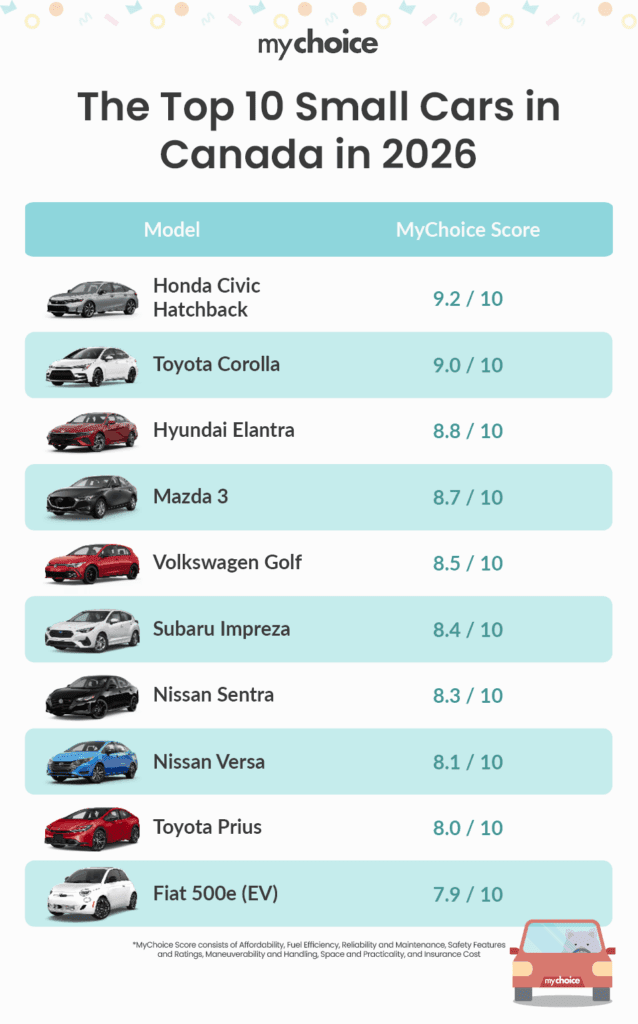
Here’s how each of our 10 picks measures up:
1. Honda Civic Hatchback
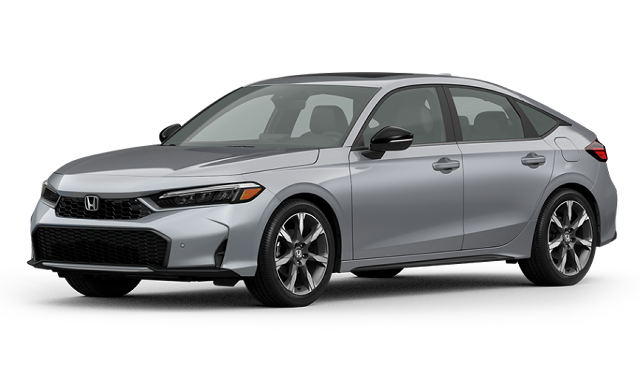
Since its introduction in 1972, the Civic has maintained its position as one of the most reliable and best-selling cars in the world. In Canada, the Civic has been the best-selling car for the last 24 years for so many reasons: it looks good, has excellent handling, and boasts a long-standing record of reliability and resale value.
The 2026 Civic is available as a sedan or roomy hatchback. It also comes with a spate of safety and driver assist technologies thanks to its Honda Sensing safety tech suite. Canadian drivers will appreciate its strong all-round performance: fuel efficient, agile in city traffic, and durable.
2. Toyota Corolla
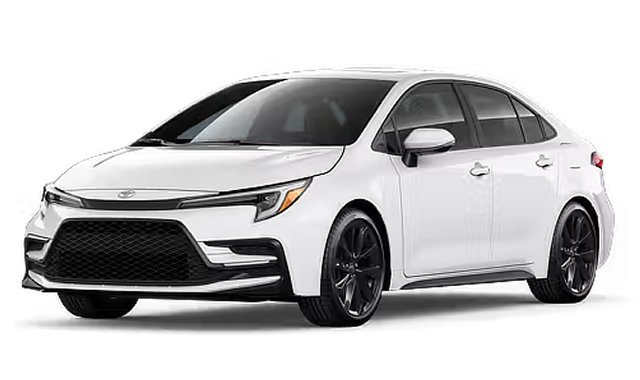
The Corolla name has been synonymous with dependable, affordable small cars for decades, and the 2026 model continues that tradition. In Canada, the 2026 Corolla offers good fuel economy (for example, ~4.4 L/100 km in some hybrid trims) and strong safety with Toyota Safety Sense-3.0.
While it might not be as sporty as some rivals, its biggest strengths lie in low ownership cost, reputation for reliability and strong resale value. For many Canadian buyers, the Corolla is the “buy and forget” compact car.
3. Hyundai Elantra
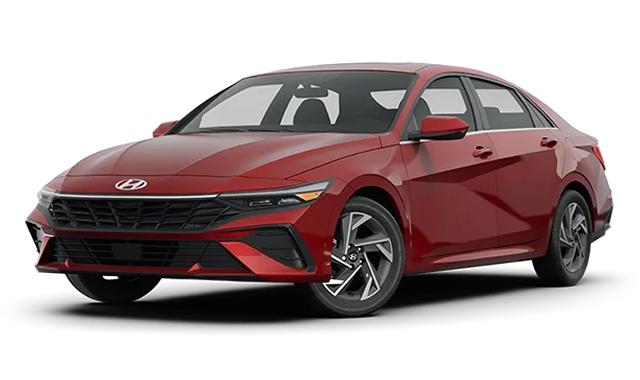
If you’re looking for something a little more stylish and tech-rich in the small-car segment, the 2026 Elantra is a strong contender. According to recent reviews in Canada, it brings bold design, strong value and good fuel efficiency.
It might not have the long heritage of the Civic or Corolla, but Hyundai’s warranty coverage, value proposition and modern features make it a great small-car pick for budget-conscious Canadians who still want something current and comfortable.
4. Mazda 3
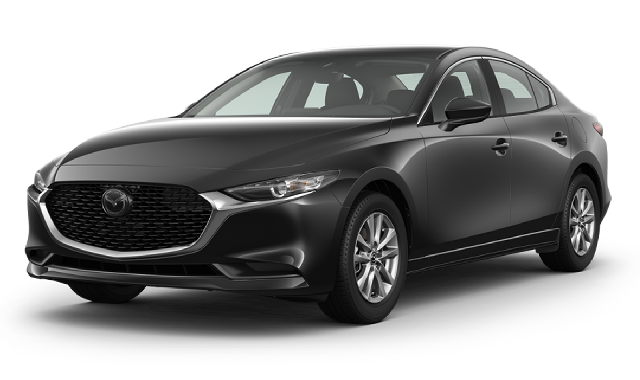
For drivers who want their small car to feel more premium, the Mazda 3 brings premium-feel interior materials, optional AWD (a real plus for Canada’s winter seasons) and sporty handling. The trade-off is slightly higher cost in some trims, but if you want a little more refinement in the compact class, the Mazda 3 is well worth a look.
5. Volkswagen Golf
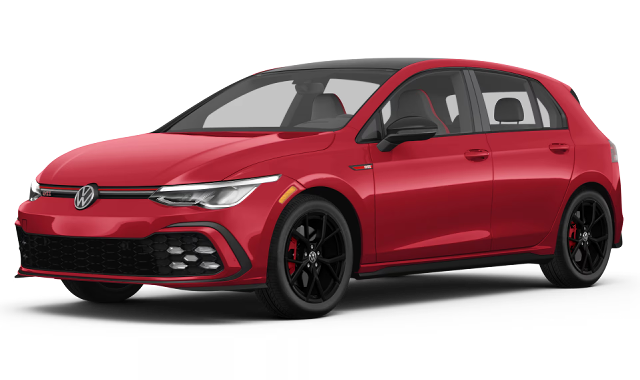
The Golf has long been a benchmark for practical, refined hatchbacks, and it continues to appeal for its cargo versatility (hatchback design) and European driving character. If you prioritize a hatch design over a sedan and want something a little more upscale in feel without stepping into premium car territory, the Golf stands out.
6. Subaru Impreza
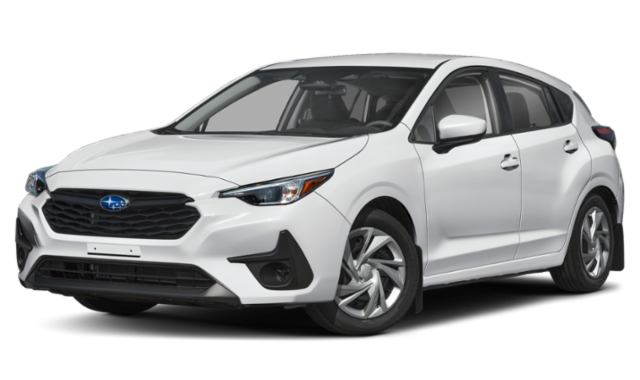
One of the few compact cars in Canada that offers standard all-wheel drive, which is a big benefit for snowy winters. According to Canadian listings, the 2025 Impreza is built for all-season versatility. If you live in a region where snow and ice are regular concerns, the Impreza gives you the compact size with extra winter confidence.
7. Nissan Sentra
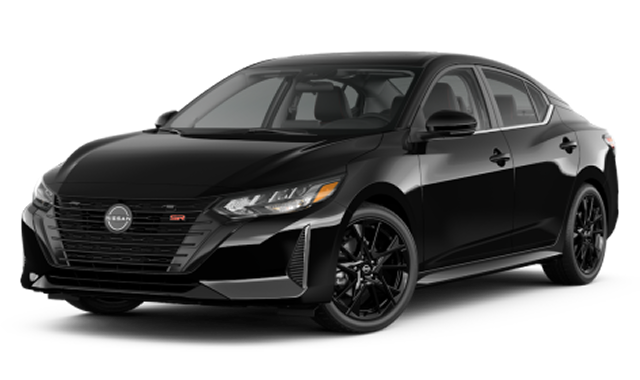
The Sentra offers a value-heavy option in the small-car space, with good comfort, decent fuel economy (~6.6 L/100 km reported) and modern safety tech as Nissan’s Safety Shield 360 is standard. For buyers looking for a solid, affordable, reliable commuter rather than sporty, the Sentra is a smart pick.
8. Nissan Versa
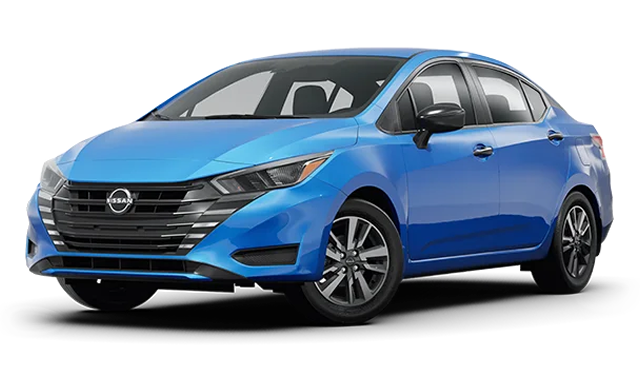
If your top priority is the lowest purchase cost and lowest monthly expenses, the Versa gives you huge value. The 2025 model offers strong affordability while still packing in modern safety features and decent efficiency.
The trade-offs? Less premium feel, fewer advanced trims, and space is more modest. But for city commuting or first-car buyers in Canada, it’s a standout.
9. Toyota Prius
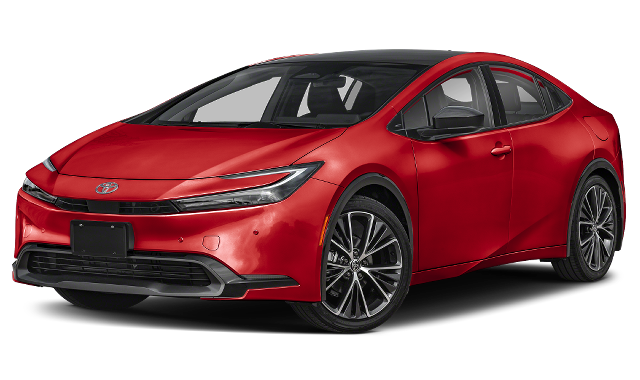
A bit different from the typical small gas car, the Prius hybrid stands out for its outstanding fuel efficiency and long-term ownership appeal. In Canada, its hybrid model is a smart choice if you prioritize very low running costs. If you’re doing a lot of driving, want to reduce fuel bills and are OK with a less traditional car style, the Prius deserves a serious look.
10. Fiat 500e
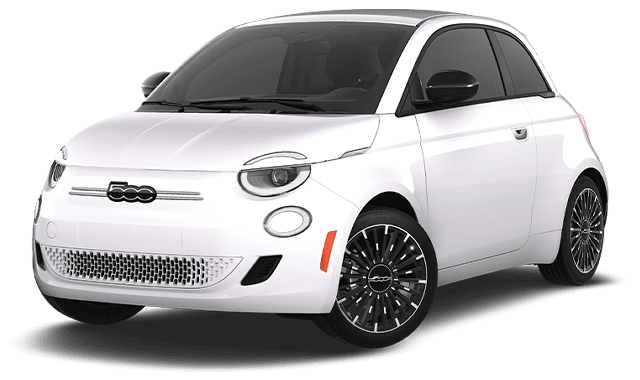
This one stretches the definition of “small car” into the electric city-car space. The 500e brings zero tail-pipe emissions, compact size ideal for tight city parking and short trips. In Canada, it’s one of the more affordable EV-small-car options.
The compromises: less cargo space, range may be less than larger EVs, and fewer service locations. But for urban Canadians who do many short trips, it’s fun and efficient.
Our Methodology for Ranking Small Cars in Canada
When we set out to rank the best small cars in Canada for 2026, we wanted a clear, fair, and relevant set of criteria that reflects what Canadian drivers really care about. Here’s how we approached it, and why each metric matters:
Why Should You Buy A Small Car?
An SUV or a luxury car can be tempting, but it’s hard to beat a quality small car in terms of budget and ease in navigating tighter urban roads. Whether you’re looking to save money, simplify city driving, or reduce your environmental footprint, there are plenty of reasons to opt for a smaller model.
Here’s why choosing a small car in 2026 still makes a ton of sense:
- Lower costs: Small cars are usually much cheaper to buy, insure, and maintain than larger vehicles. Parts are often more affordable, fuel use is lower, and even tires cost less to replace.
- Easier in the city: If you live in or near a major urban area like Toronto or Montreal, you already know how scarce parking can be. A smaller car fits into tight spots, weaves easily through dense traffic, and makes U-turns or parallel parking far less stressful. You’ll also appreciate it during rush hour when you can zip around more freely than a larger vehicle can.
- Good for fuel economy: Fuel efficiency is one of the main reasons people buy small cars, and that advantage continues to grow as more hybrid and electric variants enter the market.
- Less waste: If you don’t routinely need a three-row SUV or pickup truck, a small car uses fewer materials to build, burns less fuel, and occupies less road and parking space. It’s a smarter choice for everyday commuting, errands, and short trips while keeping your footprint light.
- Fun to drive: Compact cars are known for their agility. Because they’re lighter and smaller, they respond more quickly to steering and feel sportier on winding roads.
What To Consider When Buying A Small Car
Now that you’re interested in getting a small car, how do you pick the right one for your needs? Here’s what to think about when narrowing down your shortlist:
- How you drive and where: Not all small cars are created equal. If you’re regularly driving on the highway, you’ll want something with solid stability, quietness, and comfort. If you’re mostly driving in the city, prioritize compact size, easy parking, and great visibility.
- Purchase vs. running cost: The real cost of ownership goes beyond the purchase price. Look into long-term expenses like fuel economy, maintenance intervals, and resale value.
- Space needs: Every model offers different packaging. If you regularly have passengers or need to carry sports gear, groceries, or luggage, pay close attention to cargo volume and seat flexibility.
- Winter readiness: Canada’s winters can be unforgiving. Look for features such as heated seats, good ground clearance, and available AWD or traction control systems.
- Future proofing: Choose a model that offers up-to-date connectivity and modern driver-assist safety systems. If you’re planning to keep the car for years, consider hybrid or electric variants that might help you save more as fuel prices continue to shift.
- Resale and reliability: Brands with strong reputations tend to hold their value better and need fewer repairs. Check reliability ratings and owner reviews before buying.
- Insurance and ownership region: Insurance rates vary depending on where you live and what you drive. Get quotes through an aggregator like MyChoice before deciding to find the best deals.