









If I Hit a Pole, Does My Insurance Cover It?
Running into a pole is not only embarrassing, but it can also be quite expensive. Not only do you have to pay for repairs to your car, but you may also be responsible for property damage. These costs can quickly add up, and if you’ve got the wrong insurance, you may have to pay out of pocket.
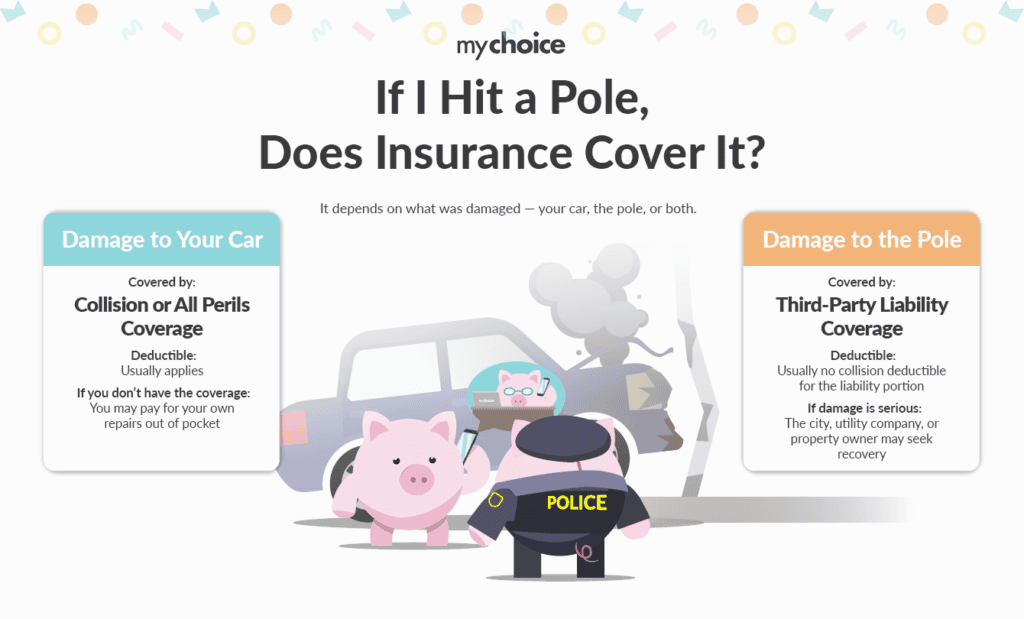
Whether your insurance will pay for damages after you’ve crashed into a pole depends mainly on your coverage. To cover damage to your car, you’ll need Collision insurance. To cover damage to the pole, you’ll need third-party liability insurance. Accident benefits may also be available if someone is injured.
The deductible shown on your policy will usually apply to repairs to your car. If the damage costs less to repair than your deductible, there may be no payment for the vehicle repairs.
Towing, storage or alternate transportation may also be covered in some cases. Ask your insurer before agreeing to these expenses.
What Should I Do After Hitting a Pole?
Make sure everyone is safe and keep away from damaged poles or wires. Call for help if necessary.
Take pictures of your car, the pole and the surrounding area from a safe location. Write down the location, date, time, weather and road conditions. Keep any towing or storage receipts.
Report the collision to your insurer within seven days. If you’re unable to report it within seven days, do so as soon as possible afterward.
Should I Make a Claim After Hitting a Pole?
Sometimes, the cost of repairing your car may be lower than your Collision deductible. A claim may also affect your premium if the collision is considered at fault.
If you had a small accident with almost no damage to your car, it may not make sense to claim for the vehicle repairs. However, damage to the pole is separate. The municipality, utility company or property owner may still make a claim against you.
Even if your car is still drivable, report the collision to your insurer. There may be damage that isn’t immediately visible, and the owner of the pole could contact you later.