









With the rising fuel costs, more Canadian drivers are turning to electric cars. However, some electric cars are more reliable, cheaper to insure or simply more suitable for tough Canadian winters, or have better overall performance than others. Therefore, it becomes harder to determine which electric car is the best choice in 2026.
Top 10 Best Electric Cars in Canada for 2026
Below are our top 10 picks that stood out above all electric vehicles in Canada. This ranking is based on a detailed proprietary methodology that evaluates each electric car across the factors that matter most to Canadian drivers, including: driving range, price, charging speed, performance, reliability and insurance costs.
| Make and Model | Driving Range (km) | Price | Charging Speed | Performance | Reliability | Insurance and Ownership Costs | MyChoice Score / 10 |
|---|---|---|---|---|---|---|---|
| Hyundai IONIQ 5 | 504 km (NRCan) | From $55,499 | 800 V / 350 kW fast charge (10–80% ≈ 18 min) | ~5.1 s / 320 hp | Excellent (8 yr battery warranty) | Low moderate | 9.0 |
| Tesla Model Y | 526 km (NRCan) | $64,990 | Supercha ger V3 / 250 kW max (15 20 min typ.) | ~4.8 s / 384 hp | Very good (8 yr battery) | Higher premiums (premium brand) | 8.9 |
| Chevrolet Equinox EV | 513 km (estimated FWD) | $46,199 | DC fast up to 150 kW / Ultium network | ~6.5 s / 300 hp (est.) | Strong (8 yr battery / 160 000 km) | Low to moderate | 8.6 |
| Kia EV9 | 489 km (NRCan est.) | $59,995 to $74,995 | 800 V / 350 kW (10–80% ≈ 24 min) | ~5.3 s / 379 hp | Good (10 yr powertrain) | Higher due to size and weight | 8.4 |
| Cadillac OPTIQ | 510 km (RWD) / 460 km (AWD) | ≈ $50,900 to $58,000 | NACS / DC fast up to 190 kW | ~5.0 s / 340 hp | 8 yr battery coverage | Premium ownership cost | 8.3 |
| Hyundai IONIQ 9 | 540 km (US EPA est.) | ≈ $59,999 to $65,000 | 800 V / 350 kW (≈ 25 min 10–80%) | ~5.5 s / 380 hp | Good Hyundai warranty | Higher due to SUV size | 8.2 |
| Nissan LEAF Plus | 488 km (75 kWh) | ≈ $44,998 | 100 kW DC fast / CHAdeMO | ~7.0 s / 215 hp | Proven reliability | Low insurance and running cost | 8.1 |
| Lexus RZ 450e | 478 km (FWD) / 418 km (AWD) | ≈ $72,000 to $80,000 | 150 kW DC fast / NACS planned | ~5.0 s / 308 hp | Excellent brand reliability | High insurance cost | 8.0 |
| Toyota bZ4X | 406 km (NRCan AWD) / 472 km (FWD) | $54,990 to $59,990 | 150 kW DC fast / widespread networks | ~6.9 s / 215 hp | Outstanding brand reliability | Low ownership cost | 7.9 |
| GMC Sierra EV | 640 km (estimate Ultium platform) | ≈ $94,995 | 350 kW DC fast / Ultium network | ~4.6 s / 754 hp / 785 lb-ft | Good GM warranty | High ownership and insurance | 7.8 |
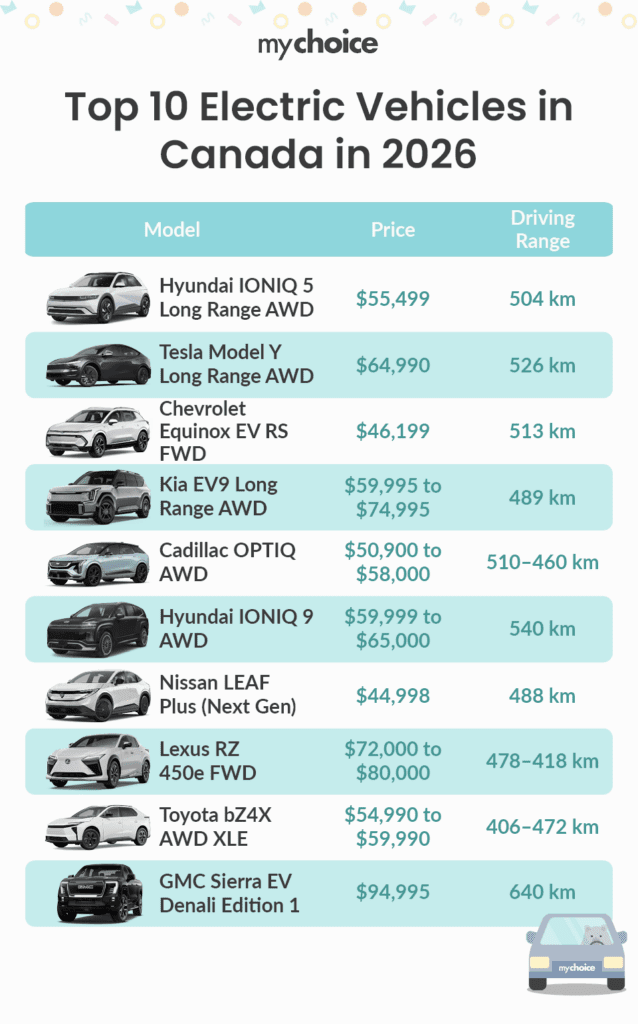
The infographic below highlights the best electric vehicles in Canada for 2026, along with visuals of each model.
Let’s break down what sets these 10 picks apart from the pack:
1. Hyundai IONIQ 5
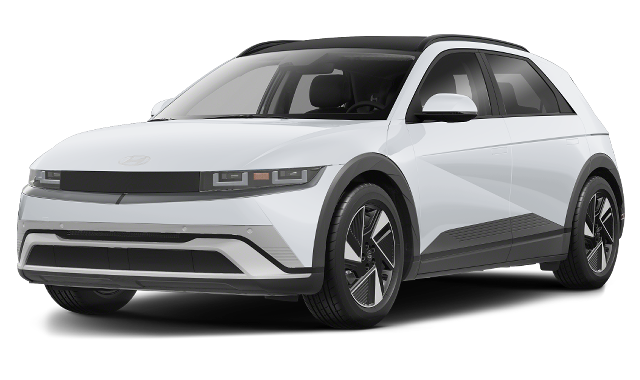
The Hyundai IONIQ 5 remains one of the most balanced electric vehicles on Canadian roads. With up to 504 km of range (84 kWh battery, NRCan estimate), it offers plenty for city commuting or cross-province drives. Thanks to its 800-volt architecture, charging from 10% to 80% takes only about 18 minutes on a 350 kW DC fast charger.
It handles cold climates confidently with battery pre-conditioning and a heat-pump system. Starting around $55,499, it’s competitively priced for its performance and comfort. Inside, tech and infotainment are sleek and user-friendly, while AWD trims deliver brisk 0-100 km/h in just over 5 seconds.
2. Tesla Model Y
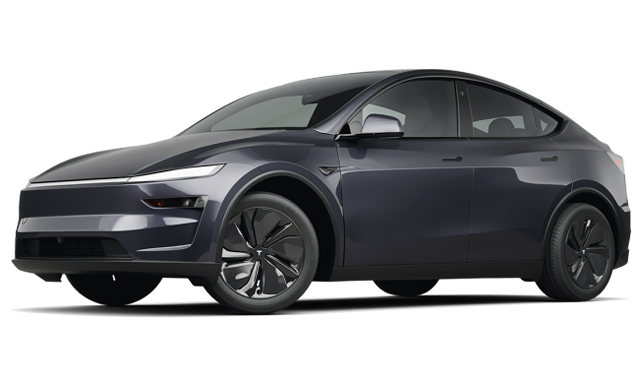
The Tesla Model Y remains a benchmark for range, performance, and charging infrastructure. The Long Range AWD version offers about 526 km of range (NRCan), with charging speeds up to 250 kW via Tesla’s expansive Supercharger network, which is the best coverage in Canada.
Performance is classic Tesla: 0-100 km/h in roughly 4.8 seconds, with smooth torque delivery and excellent traction control. While it’s pricier than some rivals starting at $64,990, it’s unmatched in infrastructure and software maturity.
3. Chevrolet Equinox EV
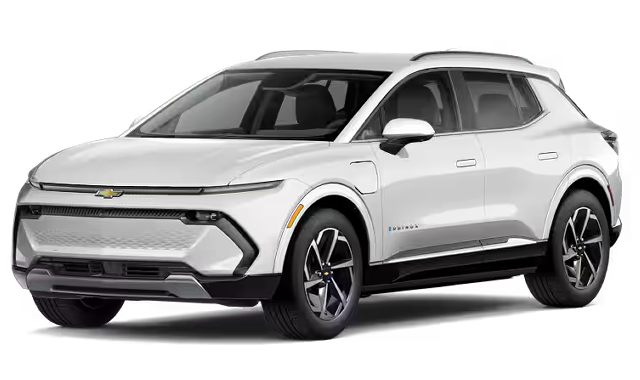
Chevrolet’s new Equinox EV brings long range and family-friendly practicality at an approachable price. The FWD model offers up to 513 km of estimated range, using GM’s Ultium battery platform. Fast charging (up to 150 kW DC) replenishes most of the battery in roughly 30 minutes, while standard safety tech includes Chevy Safety Assist and HD Surround Vision.
Starting around $46,199, it undercuts many competitors while still delivering range and tech. For Canadians wanting a dependable, affordable EV crossover that fits real-world life, this one’s a winner.
4. Kia EV9
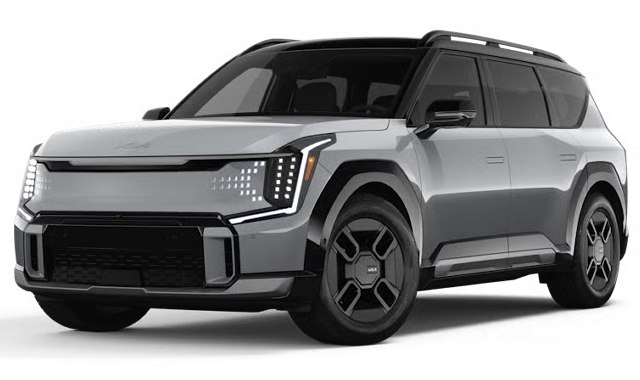
The Kia EV9 is a large three-row SUV that brings size, comfort, and long-range capability to the EV world. The estimated range sits between 450 and 490 km, depending on trim, with fast charging thanks to its 800-volt system (10–80% in roughly 24 minutes).
The EV9 blends performance (up to 379 hp) with thoughtful family design like a spacious third row, durable interior, and extensive driver-assist features like Highway Drive Assist 2. Prices start around $59,995, and warranty coverage remains excellent.
5. Cadillac OPTIQ
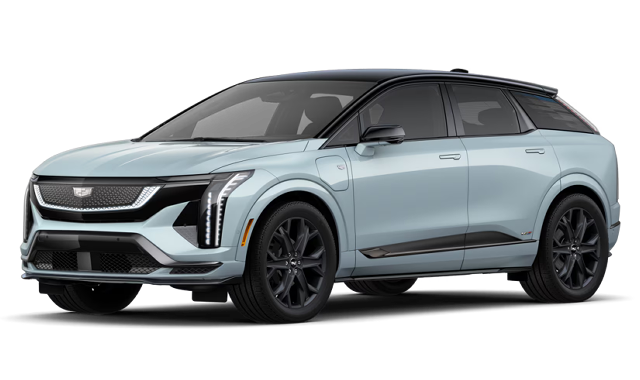
The Cadillac OPTIQ introduces a stylish, midsize luxury electric SUV with impressive range and features. The RWD version achieves up to 510 km, while the AWD variant offers about 460 km with more performance. Charging supports the North American Charging Standard (NACS) at speeds up to 190 kW.
Priced from roughly $50,900, it brings premium driving without reaching ultra-luxury price tags. For Canadians who want refinement, range, and brand prestige, the OPTIQ is a compelling pick.
6. Hyundai IONIQ 9
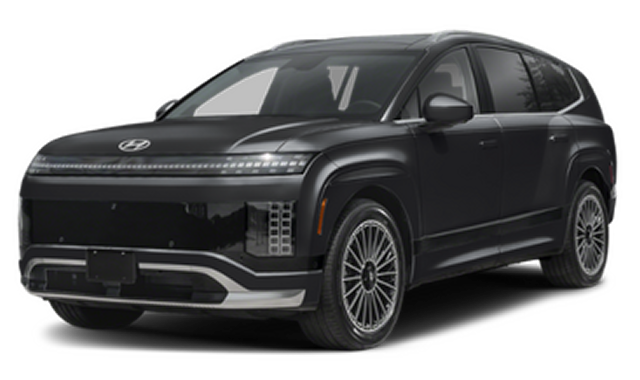
The upcoming IONIQ 9 takes everything Canadians love about the IONIQ 5: range, design, charging speed. But this time, it scales it up for larger families. Early estimates suggest around 540 km of range, rapid 350 kW DC fast-charging, and spacious seating for up to seven.
Expected to start around $59,999, the IONIQ 9 features Hyundai’s advanced safety tech, OTA software updates, and all-wheel-drive performance of about 5.5 seconds to 100 km/h.
7. Nissan LEAF Plus
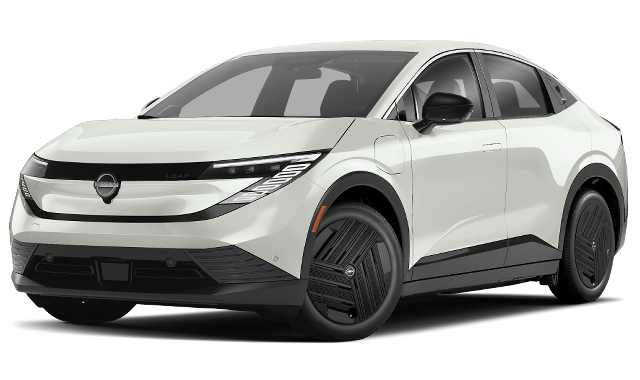
The next-generation Nissan LEAF continues as an affordable, dependable EV choice for Canadian drivers. With a new 75 kWh battery, it’s projected to reach up to 488 km of range on a full charge. Fast-charging speeds reach 100 kW, enough to add 80% in about 40 minutes.
Priced around $44,998, it’s one of the least expensive EVs with that much range. It includes ProPILOT Assist 2.0, solid safety ratings, and a comfortable cabin.
8. Lexus RZ 450e
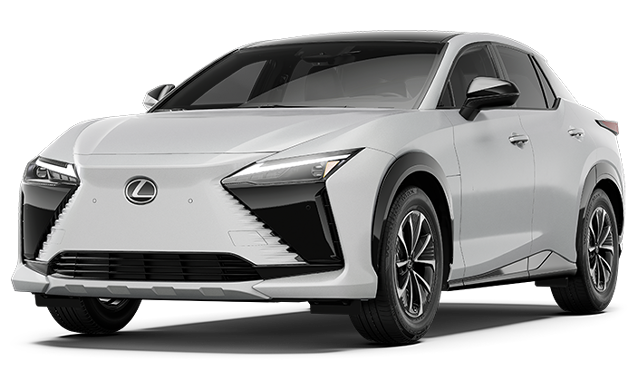
The Lexus RZ brings luxury and electric performance together beautifully. Canadian NRCan ratings put range at 478 km (FWD) and 418 km (AWD). Powered by a 77 kWh battery producing up to 308 kW (~414 hp), it offers smooth acceleration. Inside, you get premium materials, a 14-inch touchscreen, and the latest Lexus Safety System and driver-assist suite.
Pricing starts around $72,000. For drivers who want luxury, comfort, and brand reliability with their EV experience, the RZ 450e delivers.
9. Toyota bZ4X
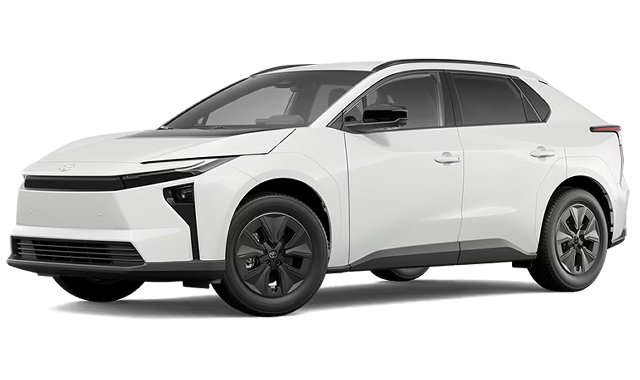
The Toyota bZ4X represents Toyota’s confident move into all-electric territory. In Canada, the FWD version offers up to 472 km, while AWD models deliver 406 to 436 km depending on trim. With 150 kW DC fast-charging and Toyota’s widespread service network, ownership is easy across the country.
Prices start around $54,990. Safety comes standard via Toyota Safety Sense 3.0, while the interior remains intuitive and family-friendly.
10. GMC Sierra EV Denali Edition 1
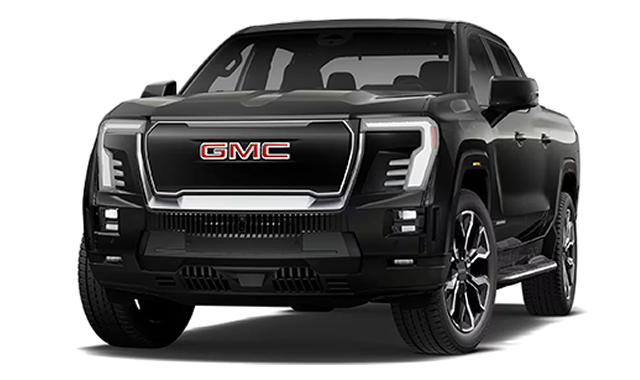
With an estimated 640 km of range from GM’s Ultium platform, it offers class-leading numbers for a truck. Performance is massive, boasting 754 hp and 785 lb-ft of torque and reaching 0-100 km/h in about 4.6 seconds.
It supports 350 kW DC fast-charging, and the Power Station Pro system can even power tools or a home during outages. Starting around $94,995, it’s not cheap, but for those needing capability and range, it’s a serious powerhouse.
Our Methodology for Ranking the Electric Vehicles in Canada
Here’s how we evaluated each car and why each factor matters for choosing an electric vehicle:
The Most Affordable Electric Cars in Canada
- Nissan LEAF Plus: With an estimated range of ~488 km and a starting price of around ~$44,998, this is the most budget-friendly long-range option in our list.
- Chevrolet Equinox EV: This has an estimated range of up to 513 km. Starting around $46,199, it offers great value in the EV segment.
- Hyundai IONIQ 5: With ~504 km range and starting around ~$55,499, this hits a sweet spot between value and tech.
- Toyota bZ4X: Although exact trim pricing and specs vary by province, the FWD model (~472 km) starting around $54,990 is solid for budget-conscious buyers wanting an SUV form.
- Kia EV9: While larger and more premium than the others, the starting price of ~$59,995 combined with ~489 km range makes it one of the more “affordable large-EV” options in Canada.
Best Electric SUVs in Canada
- Hyundai IONIQ 5: Midsize crossover style with excellent tech, range (~504 km), and value; great for daily use and longer drives.
- Kia EV9: This large three-row SUV EV with ~489 km range, family-friendly space and fast charging is ideal for Canadian families needing room.
- Cadillac OPTIQ: A premium midsize SUV-EV with up to ~510 km (RWD version), luxury finishes and strong tech, it’s a great luxury SUV-EV choice.
Best Electric Hatchbacks in Canada
- Nissan LEAF Plus: This is a true compact/hatch form with ~488 km range, lower cost and a proven track record.
- Hyundai IONIQ 5: Though styled as a crossover, its compact/midsize footprint, good efficiency and value make it fit for city and suburban driving.
- Tesla Model Y: It’s technically a crossover and larger than traditional “hatchbacks,” but its size is still moderate for Canadian SUV-EVs. It delivers excellent range (~526 km)and tech and charging infrastructure, making it a strong “compact/lower-SUV” option for many.
Best Luxury Electric Vehicles in Canada
- Lexus RZ: This car is from a trusted uxury brand, made with refined materials, and boasts strong range (~478 km FWD) and tech.
- Cadillac OPTIQ: As mentioned above, it’s a premium SUV-EV with up to ~510 km, luxury finishes, hands-free driving assist, and upscale features.
- Hyundai IONIQ 9: While not as established as some luxury brands yet, this large premium EV (~540 km range estimate), big size and advanced features puts it firmly in the luxury EV category for 2026 Canada.
Why Should You Buy an Electric Car?
There are many good reasons for Canadians to go electric on the road, such as:
- Lower “fuel” cost: Electricity is usually cheaper per km than gasoline, especially when charging at home overnight.
- Less maintenance: No engine oil changes, fewer fluids, and a simpler drivetrain generally means fewer moving parts and less service.
- Instant torque and smoother ride: EVs often feel more responsive, quiet and comfortable to drive.
- Better for the environment: You’re essentially on the road with zero tailpipe emissions. As Canada’s grid cleaner, your EV’s carbon footprint improves.
- Incentives: Federal and provincial programs in Canada may reduce upfront costs.
- Improving infrastructure: Nowadays, there are more public fast-chargers across Canada, better home-charging options, and longer ranges for vehicles.
- Future proofing your vehicle: With more automakers shifting to electric, EVs may hold appeal and resale value better as regulations evolve.
How Electric Vehicles Affect Your Car Insurance Rates
Switching to an EV in Canada introduces a few ownership-cost differences, especially in insurance:
- Higher vehicle value and specialized components: Many EVs cost more upfront and have specialized systems like battery packs and high-voltage components. This may mean higher repair costs and higher insurance premiums.
- Battery health and warranty: The battery is a major cost centre for an EV. If your warranty covers it well, this reduces risk.
- Luxury or high-performance models: Insurance may be higher if the EV is expensive, fast or deemed a “specialty” vehicle.
- Home charger installation: If you install a charger at home, that’s an extra cost; ensure your auto and home insurers know about it due to the risk of home installation and wiring.
- Provincial differences: Insurance across provinces may differ for EVs, so always get a quote for the specific model you’re considering in your area through an aggregator like MyChoice.
- Total cost of ownership: Don’t only look at sticker price. Factor in continuous costs like electricity cost, charger installation, insurance, maintenance, battery warranty, and resale value.