









Does Car Insurance Cover Battery Replacement or Failure?
While car insurance does not cover a battery that dies due to age or wear, it will cover the replacement if the battery is damaged in an insured accident (under Collision) or a non-collision event like a fire or falling object (under Comprehensive)
How Much Does it Cost to Replace a Car Battery?
Replacing a standard car battery in Canada now typically costs between $150 and $350, while high-performance AGM batteries for newer vehicles with start-stop technology can cost between $320 and $450. When factoring in professional labour and the required computer (BMS) resets for modern cars, the total bill often falls in the $225 to $580 range.
What Affects the Lifespan of a Car Battery?
The most common factors affecting car battery lifespan include extreme temperatures, driving habits (especially frequent short trips), long periods without driving, and battery age.
- Cold temperatures reduce battery performance significantly. At about 0°C a battery can lose around 20–30% of its cranking power, and near -18°C the loss can reach roughly 40–60%.
- Many drivers believe that when a car is turned off it does not consume battery power, this is not correct. Certain systems, such as alarms, locks or “keyless-go” and navigation functions, need electricity even when the car is not running, and all this contributes to the discharge of the battery.
- A common question is, how long does a car battery last without driving? The answer is, that when the owner of the car does not turn it on repeatedly, the battery does not get fully charged. The battery has a negative energy balance.
- As the vehicle ages, the power of the battery can be reduced due to corrosion, sulfation and the passage of time. These aspects make proper charging difficult.
How Can You Prevent Battery Failure?
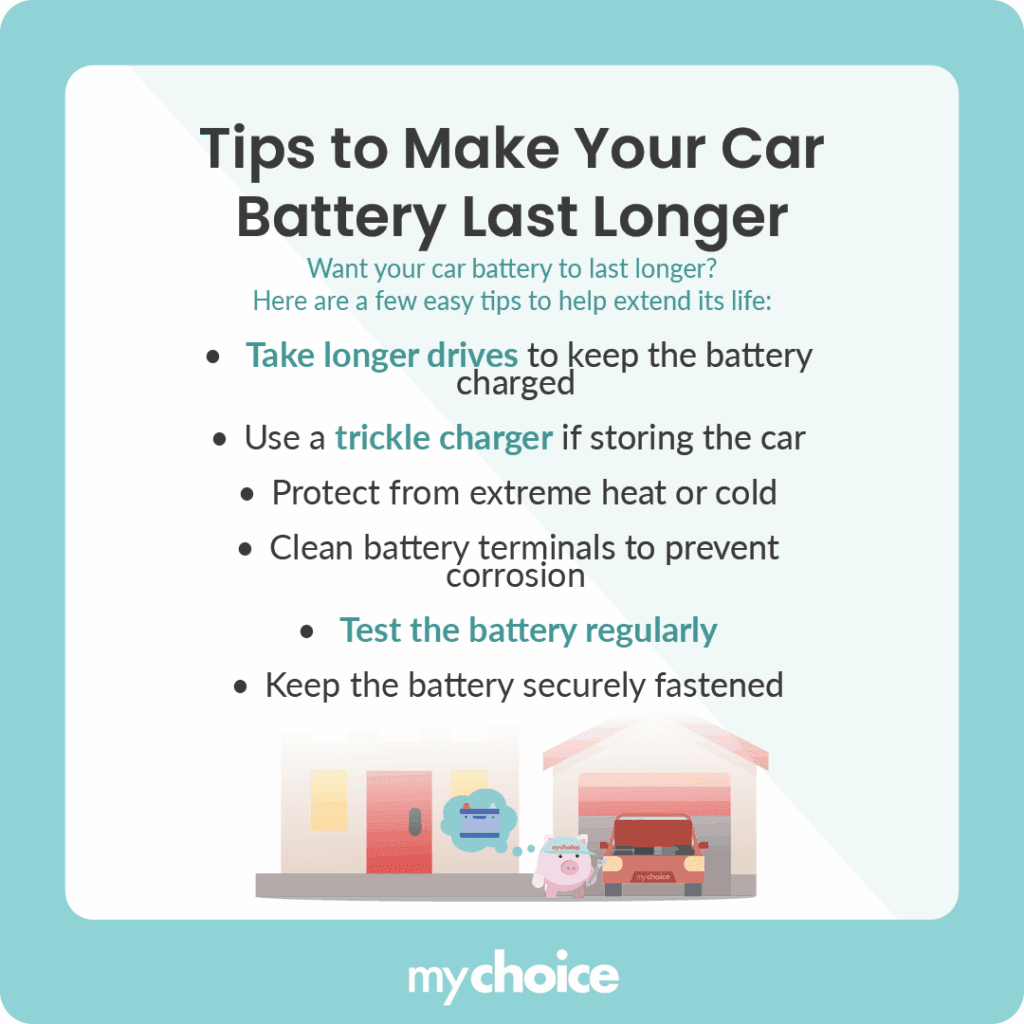
The good news is that you can follow our recommendations below to extend the life of your car battery and hopefully avoid it dying:
- Perform preventive maintenance on your battery, like checking the battery connections, making sure the cables are in good working order, and if you take your car for a periodic service, ask them to check the voltage so that you know its state of charge.
- Turn everything off when the engine is not running. This is one of the main causes of a discharged car battery; this happens when you have the radio on, lights on, etc.
- Extreme heat and cold can shorten battery life, so parking in a garage or shaded area when possible can help reduce temperature stress on the battery.
- Do not leave your car off for an extended period of time. If you rarely use your vehicle, idling it for only five minutes is actually counterproductive, as it likely drains more power to start the engine than the alternator can replace in that time. Regularly driving the vehicle for 20–30 minutes helps the alternator recharge the battery, especially if the car is otherwise driven only on short trips.
- Use the battery recommended by each manufacturer, this is indicated in the user manual of your vehicle, you will avoid spending more and the ideal battery will last longer.
How Can You Tell When Your Car Battery Needs Replacing?
You should pay attention to the possible factors that indicate that it is time to replace it, such as:
- Difficulty starting the engine
- Low intensity of interior lights and headlights
- Rust on battery connections
- Specific indicator lights on the dashboard; if you see the battery-shaped warning light, it often signals a failure in the alternator or charging system rather than just a weak battery. However, a weak battery will often cause other systems to glitch, leading to ‘flickering’ dash lights or strange horn sounds
How Can You Prolong the Life of Your Car’s Battery?
The average life of a car battery is between three and four years. However, there are a variety of factors that can affect its lifespan, as mentioned above.
Key Advice from MyChoice
- If your battery is more than three years old, we recommend doing a “load test” every fall. A weak battery may work fine in the summer but fail the first morning the temperature drops below zero.
- Since battery failure is a general maintenance issue, it is rarely covered by your primary insurance. Adding a Roadside Assistance endorsement to your policy can provide free battery boosts or towing if you’re stranded.
- Road salt used in Ontario and Alberta can accelerate corrosion. A simple mix of baking soda and water applied with a toothbrush to the terminals can prevent a “false death” caused by poor electrical contact.