









Top 10 Best Cars To Buy In Canada In 2026
Below is MyChoice’s list of the best 10 vehicles to buy in Canada in 2026. This ranking is based on a detailed proprietary methodology that evaluates each car across the factors that matter most to Canadian drivers, including: reliability ratings, total cost of ownership (TCO), resale value, Canadian road suitability, average insurance price and national sales volume.
| Make and Model | Sales Volume (H1 2025 est) | Reliability | TCO (Total Cost of Ownership) | Resale Value | Canadian Road Suitability | Insurance Price | MyChoice Score (out of 10) |
|---|---|---|---|---|---|---|---|
| Toyota RAV4 | ~41,500 units | Very strong | Moderate | Excellent | Very high | Moderate | 9.2 |
| Honda CR-V | ~30,900 units | Strong | Moderate | Very good | Very high | Moderate | 8.8 |
| Toyota Corolla | ~26,500 to 27,000 units | Very strong | Low | Excellent | High | Low-moderate | 8.7 |
| Mazda CX-5 | ~22,800 units | Strong above average | Moderate | Good | High | Moderate | 8.5 |
| Subaru Outback | ~19,000 units | Strong on rugged/ Canadian terrain | Moderate | Good | Very high (AWD, winter ready) | Moderate | 8.4 |
| Toyota Camry | ~12,000 units | Very strong | Moderate | Excellent | High | Moderate | 8.2 |
| Kia Seltos | ~19,500 units | Improving reliability | Low moderate | Good | High | Low- moderate | 8.0 |
| Hyundai Ioniq 5 | ~15,000 | Good | Moderate to low (electric) | Good | High (electric and winter range caveats) | Moderate | 7.9 |
| Ford F-150 | ~63,800 units | Good | Moderate to high | Good | Very high (Canadia roads, snow, towing) | High | 7.8 |
| Nissan Leaf | ~3,500 | Good (won residual award) | Low (electric) | Very good for its category | Moderate to high | Low- moderate | 7.7 |
1. Toyota RAV4
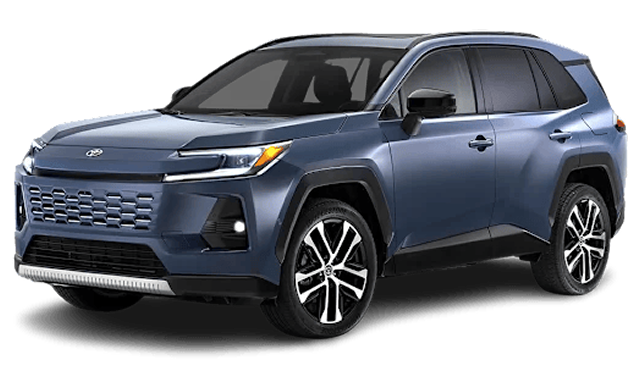
Units Sold: ~41,500 (2025 full-year estimate)
The Toyota RAV4 has been a standout choice for a number of reasons. With a comfortable size that fits both city and suburban use, good cargo space, optional all-wheel drive and Toyota’s strong reputation for longevity, it checks many boxes.
The new generation (coming 2026/2027) further emphasizes hybrid and plug-in options, which can help in Canada’s high fuel and energy cost environment. If you drive year-round in Canada and want one versatile vehicle, the RAV4 remains a strong bet.
2. Honda CR-V

Units Sold: ~30,900 (2025 full-year estimate)
The Honda CR-V continues its popularity in Canada because of its sensible blend of size, driveability, economy and reliability. From a road suitability standpoint, its good ground clearance, available AWD, and interior comfort make it an everyday vehicle for Canadian life.
It may not match Toyota in resale value or brand-name durability, but it remains one of the best well-rounded picks.
3. Toyota Corolla
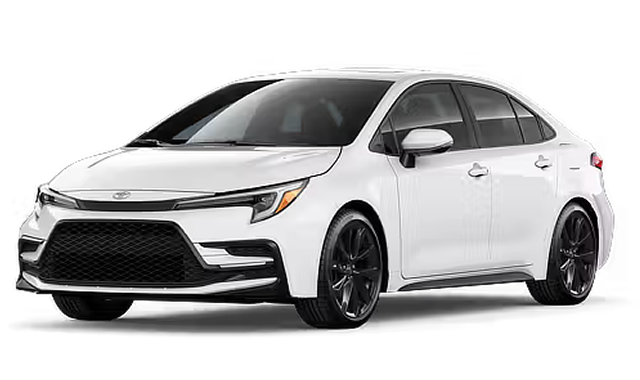
Units Sold: ~26,500 to 27,000 (2025 full-year estimate)
The Toyota Corolla is one of those baseline vehicles that just work. Compact enough for city life, efficient, backed by Toyota’s dependability, and excellent resale value. For Canadians looking for a no-fuss car that’s easy to service and cost-effective, the Corolla is a smart choice. It may lack the “wow” factor of SUVs, but for many buyers focused on economy, reliability and long-term value, it ticks the boxes.
4. Mazda CX-5

Units Sold: ~22,800 (2025 full-year estimate)
The CX-5 hits a sweet spot as a compact/midsize SUV that doesn’t cost the premium of luxury brands but offers nicer finishes, good equipment and solid driving dynamics.
For Canadian roads, it offers all-wheel-drive options, good ride comfort, and dimensions that make it practical for both urban and getaway use. Ownership costs may be a little higher than the ultra-cheap end, but the value proposition remains strong.
5. Subaru Outback
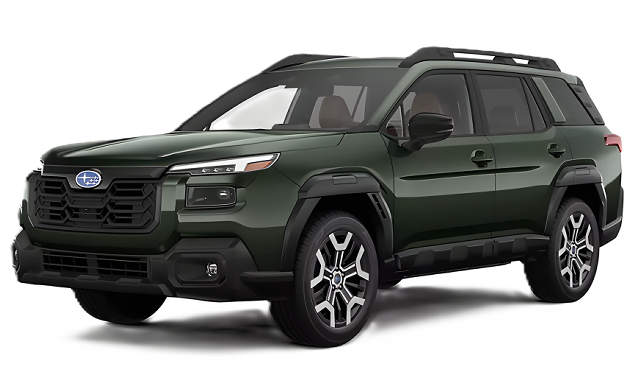
Units Sold: ~19,000 (2025 full-year estimate)
If you think about where many Canadians drive, like rough roads, country routes, and snow, the Subaru Outback stands out for its combination of practical utility and all-weather capability. Standard AWD (or near standard) is a major plus.
Reliability is generally good, and its resale value is decent, and the ownership cost is reasonable given what you get.
6. Toyota Camry

Units Sold: ~12,000 units (2025 full-year estimate)
Sedans may not dominate the way they used to. Still, the Toyota Camry remains a standout for buyers wanting a comfortable, reliable, economical car for carpooling, commuting, long distances or family use. Like other Toyotas, it benefits from the brand’s strong reliability and resale reputation in Canada.
For Canadians who primarily drive paved roads or want a sedan over an SUV for economy or preference, the Camry makes sense. Insurance tends to be moderate, servicing is widespread, and the ownership cost is stable.
7. Kia Seltos
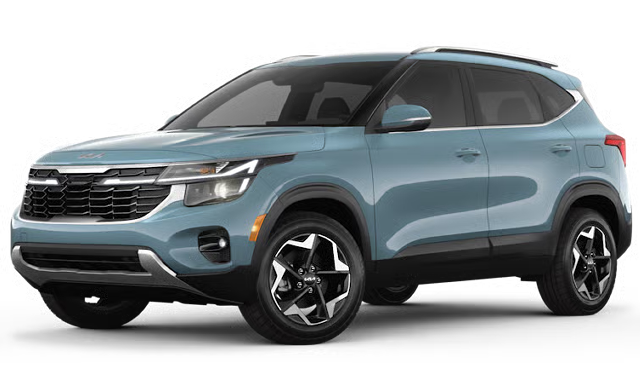
Units Sold: ~19,500 (2025 full-year estimate)
Kia has made huge strides in recent years, both in design, reliability and market acceptance. The Seltos is a smaller SUV/crossover which fits many Canadians’ needs for a compact, city-friendly vehicle that still has more utility than a small car. Its reliability is improving, and because it is a smaller, lower-cost crossover, your ownership cost can be lower than that of large SUVs.
8. Hyundai Ioniq 5
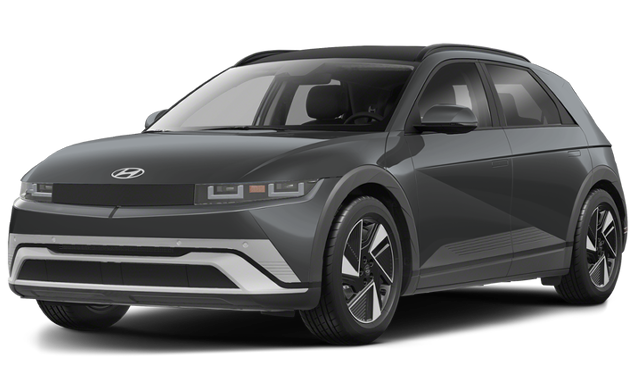
Units Sold: ~15,000 (2025 full-year estimate)
If you’re ready to go electric or plug-in hybrid and your driving suits it, the Hyundai Ioniq 5 is one of the top EV contenders in Canada. With a modern design, strong tech and interior, and increasingly good infrastructure for charging, it stands out.
Remember, ownership cost includes electricity, winter‐range considerations in Canada, charging infrastructure and possibly slower resale in the electric market. But for the buyer ready for an EV, this model is a strong “future-proof” choice.
9. Ford F-150
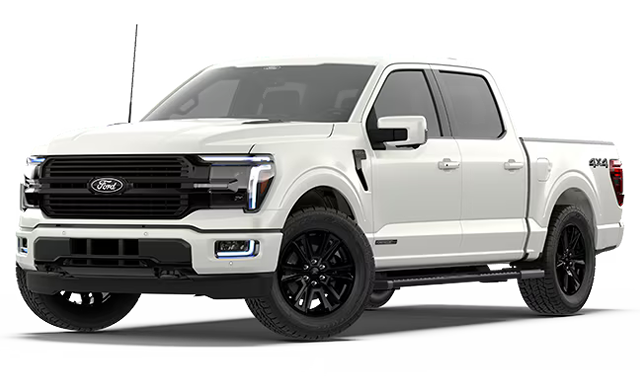
Units Sold: ~63,792 (2025 full-year estimate)
The Ford F-150 remains a fixture on Canadian roads. Year after year, it sits at or near the top of national sales charts, proving just how deeply Canadians love a capable, do-it-all truck. Whether you’re hauling lumber, towing a trailer, or tackling a snow-covered backroad, the F-150 handles it with confidence and power.
Reliability is strong for a full-size pickup built for demanding use, though ownership costs such as fuel, tires, and insurance are higher than smaller vehicles. Still, resale value is excellent. If your lifestyle or work requires strength, space, and versatility, the F-150 remains one of the smartest buys out there.
10. Nissan Leaf
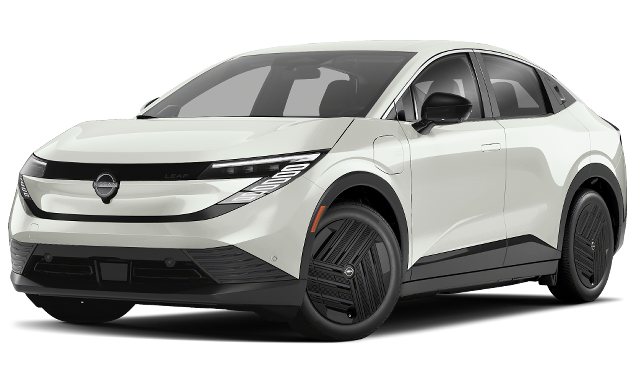
Units Sold: ~3,500 (2025 full-year estimate)
For buyers wanting the lowest-cost ownership possible and willing to adapt to electric vehicle realities like range and charging, the Nissan Leaf is one of the most accessible EV models in Canada.
Ownership cost can be very favourable due to lower “fuel” equivalent cost and fewer moving parts, making it a good pick for those who have charging access. However, you need to be mindful of the range in winter conditions and the fact that the resale market for EVs is still evolving.
Our Methodology for Ranking the Best Cars in Canada
If you’re shopping for a new car in Canada in 2026, there’s one simple truth: it’s not just about sticker price anymore. With chilly winters, aging roads, rising insurance costs, and a changing vehicle-technology landscape, picking a model that truly suits driving in Canada means examining factors such as reliability and long-term cost.
Here’s how we evaluated each vehicle to arrive at our top 10 best cars to buy in Canada for 2026—including why each factor matters and the weighting it was given in calculating the overall MyChoice Score.
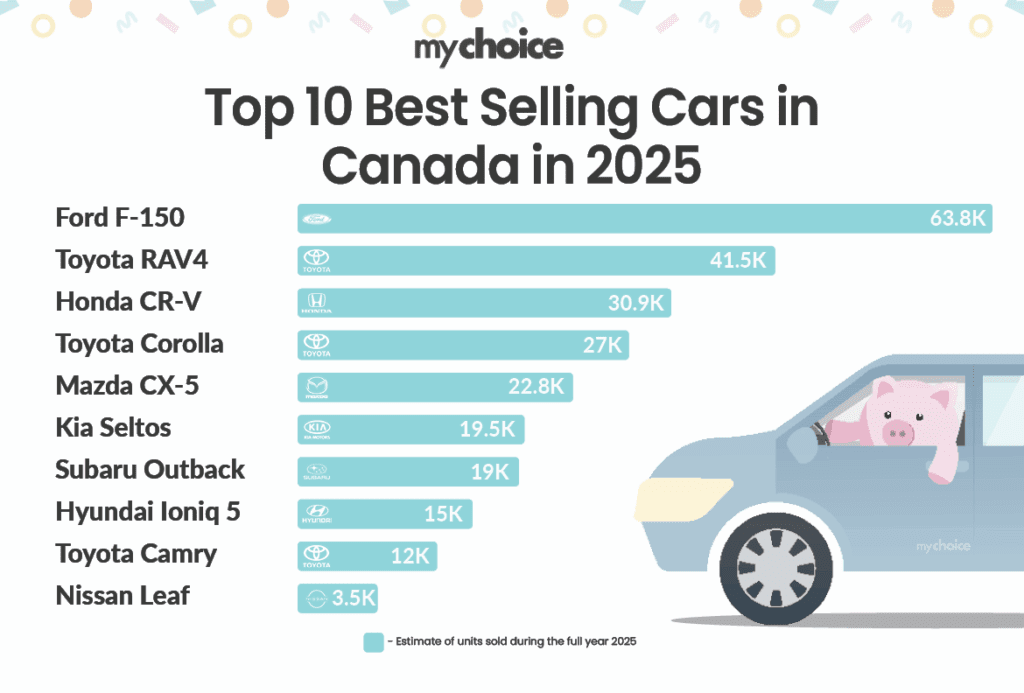
Top 10 Best Selling Cars in Canada in 2025
You can see the best-selling cars in the first half of 2025 in Canada below. Since these were the most purchased in 2025, it’s safe to assume they would be a great option to buy in Canada in 2026.
What Makes a Car a Smart Buy in Canada?
Now that you know MyChoice’s top picks, what makes a car (whether on this list or not) a good buy? In a nutshell, you need something that fits the weather, roads, and your costs. Here’s what truly makes a car a smart buy in Canada:
- Handles every season: Look for features that make winter driving safer and more comfortable, like heated seats, strong defrost systems, and good ground clearance. A car that shrugs off snow and ice is worth it.
- Proven long-term reliability: If you’re not planning on trading your car in within 5 years, a dependable model is key. Vehicles known for lasting 10 or more years with minimal issues will save you money and headaches over time.
- Affordable ownership costs: Auto insurance, maintenance, registration, and fuel all add up. Choose a car with low long-term costs. Efficient engines, low maintenance needs, and fair parts pricing all matter.
- Strong resale value: A smart buy holds its value. Brands like Toyota, Honda, and Subaru consistently earn top marks for resale strength, meaning you’ll get more back when you trade in or sell later.
- Reasonable insurance rates: Models with good safety ratings and lower repair costs tend to keep premiums down. Avoid vehicles with overly expensive parts or poor crash-test scores if you want to keep monthly costs manageable.
- Built for Canadian roads: From icy highways to rural backroads and city potholes, your car needs to handle it all. Compact cars make sense for urban drivers; SUVs, trucks, and crossovers shine for families, outdoor enthusiasts, and snowbelt commuters.
Fits your lifestyle and budget: The smartest buy isn’t just about specs, but about what works for you. Consider how you drive, how much space you need, and what you can comfortably afford over time.