









Top 10 Best Cars for Canadian Winters in 2026
| Car | Winter Traction and Drivetrain Tech | Ground Clearance and Chassis Setup | Cold Climate Comfort Features | Winter Safety Technologies | Cargo Space and Passenger Practicality | MyChoice Score (/10) |
|---|---|---|---|---|---|---|
| Subaru Outback | 9/10 | 8.5/10 | 9/10 | 8.5/10 | 8/10 | 8.8 |
| Toyota RAV4 | 8.5/10 | 8/10 | 8.5/10 | 8/10 | 8.5/10 | 8.5 |
| Honda CR‑V | 8/10 | 7.5/10 | 8/10 | 8/10 | 8/10 | 8.0 |
| Mazda CX‑5 | 7.5/10 | 7.5/10 | 8/10 | 8/10 | 8/10 | 7.9 |
| Kia Seltos | 7.5/10 | 7/10 | 8/10 | 7.5/10 | 7.5/10 | 7.5 |
| Nissan Rogue | 7/10 | 7/10 | 7.5/10 | 7.5/10 | 8/10 | 7.4 |
| Toyota Highlander | 8/10 | 7.5/10 | 8.5/10 | 7.5/10 | 8.5/10 | 8.0 |
| Subaru Forester Wilderness | 8.5/10 | 8/10 | 7.5/10 | 8/10 | 7.5/10 | 8.1 |
| Jeep Wrangler | 8/10 | 8.5/10 | 7/10 | 7/10 | 6.5/10 | 7.4 |
| Chevrolet Blazer EV (AWD) | 6.5/10 | 7/10 | 7.5/10 | 7/10 | 8/10 | 7.2 |
Here’s a little more about why each car made the list, what they do well, and any caveats:
Subaru Outback
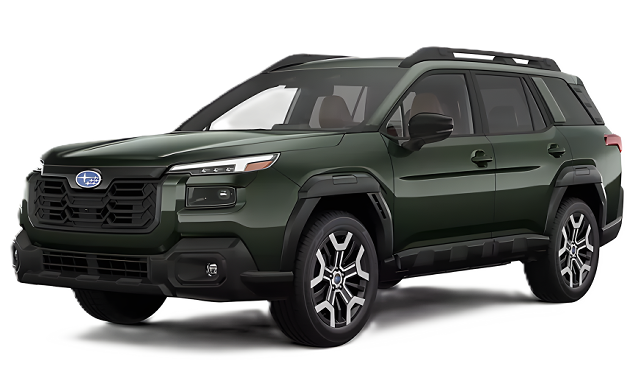
The 2026 Outback is well-suited to Canadian winters: it comes standard with Subaru’s Symmetrical Full-Time AWD and advanced X-MODE terrain settings. Ground clearance is generous (for models like the Wilderness version) and the chassis is tuned for rougher conditions.
Inside, you’ll find comfort features like heated seats, good insulation and updated tech. It’s one of the most winter-capable crossovers you’ll find. The only possible drawback is that if you get stuck in extremely deep snow or need massive cargo space, there may be even larger SUVs, but for many Canadians, this hits a sweet spot.
Toyota RAV4
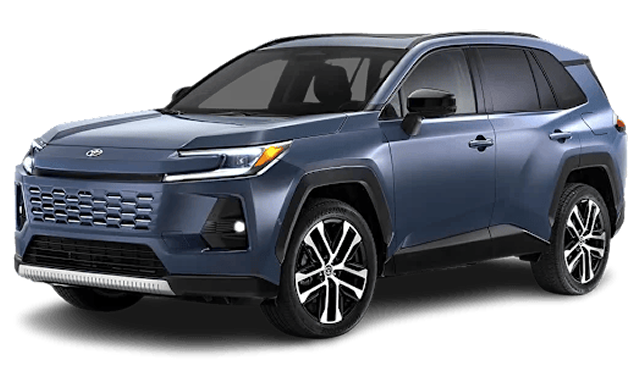
The RAV4 is a go-to for many Canadians for urban and winter versatility. According to Canadian reviews, it handles winter well thanks to its available AWD system and Toyota’s reputation for reliability in cold conditions.
It offers decent ground clearance and practicality for everyday things like family errands and hauling gear, with a comfortable cabin and strong resale value. Note that some trims may still benefit from winter tires and extra gear for deep-snow regions.
Honda CR-V
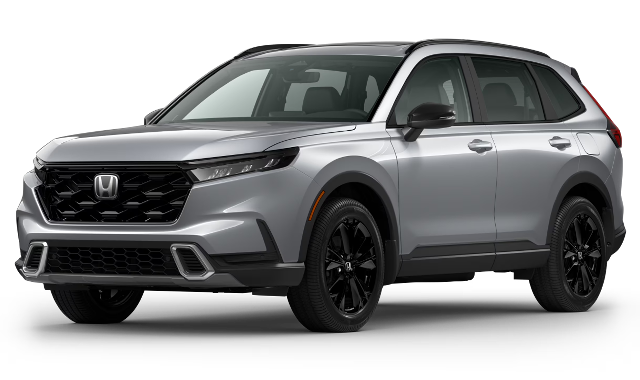
Another very sensible choice. The CR-V’s Real Time AWD helps with traction in slippery or icy conditions. It’s roomy, comfortable, and has strong comfort features in cold weather. It may not have the extreme ground clearance of specialized off-road models, but it strikes a solid balance for most Canadian winter drivers.
Mazda CX-5
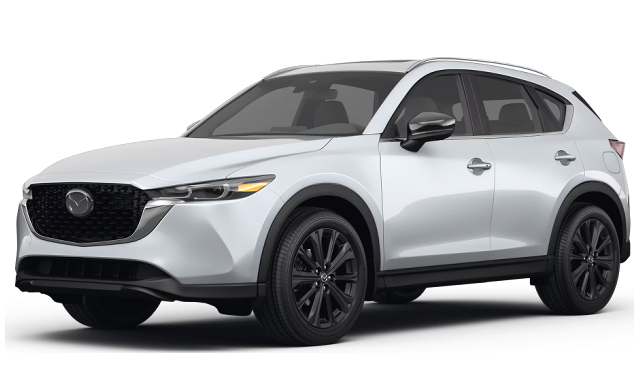
This newcomer generation has standard AWD for Canada, plus a refined interior and improved cargo/passenger space. For winter, its traction tech is good thanks to AWD, though some may point out its ground clearance might not match the top-tier winter specialists. But if you want something that bridges winter capability and everyday comfort, this one is a strong pick.
Kia Seltos
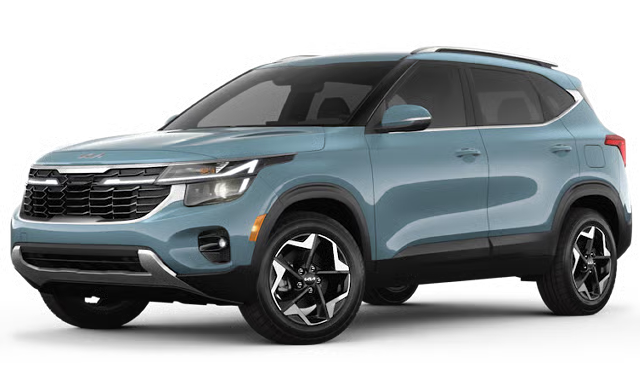
The Seltos is mentioned as a winter-ready compact SUV in Canadian contexts (especially for places with unpredictable winter conditions). It offers AWD and comfort features like heated seats. While it may not have the same clearance as larger SUVs, for many commuters and smaller-family situations, it gives good value for winter performance.
Nissan Rogue
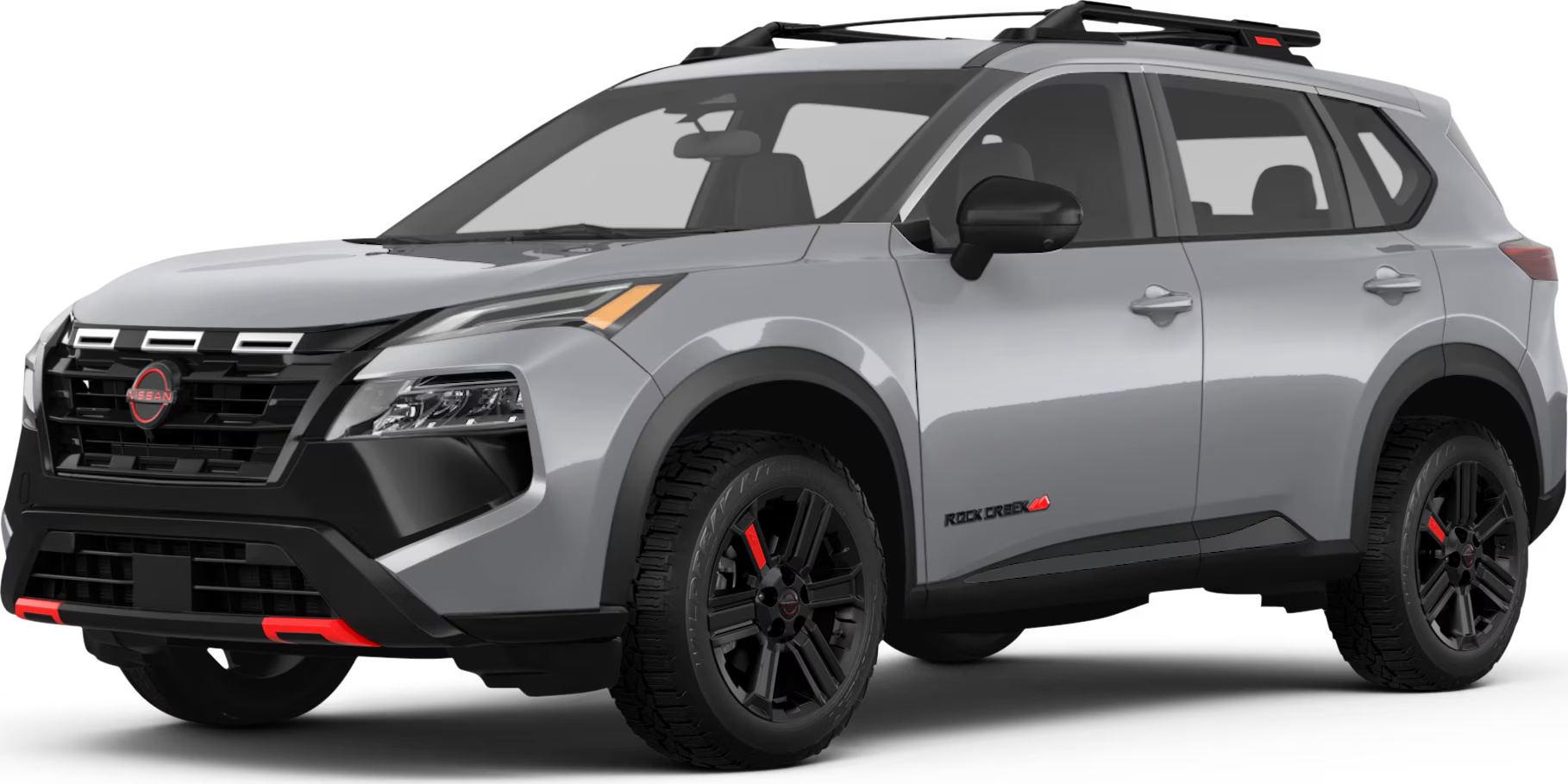
Recommended by Nissan Canada as a vehicle fitted for winter with its “Intelligent All-Wheel Drive” and other cold-weather features (heated seats, mirrors, etc). It’s practical, widely available, and does much of what winter demands. Just like others: choose the right tires, and you’ll be ahead.
Toyota Highlander
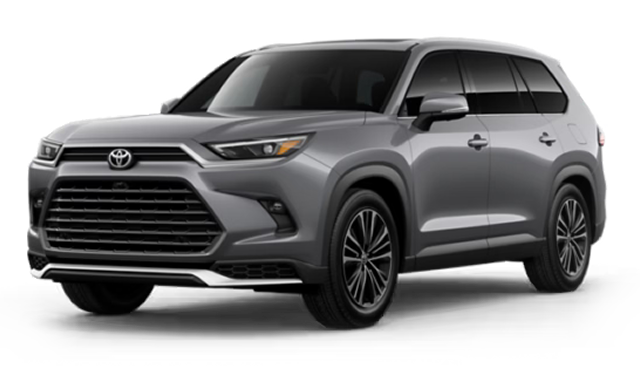
For those needing more space, the Highlander is strong. It has AWD options, good comfort features, and the practicality to manage winter loads (ski gear, family, etc). If you don’t need as large a vehicle, you might prefer something smaller, but for versatility, this one does well.
Subaru Forester Wilderness
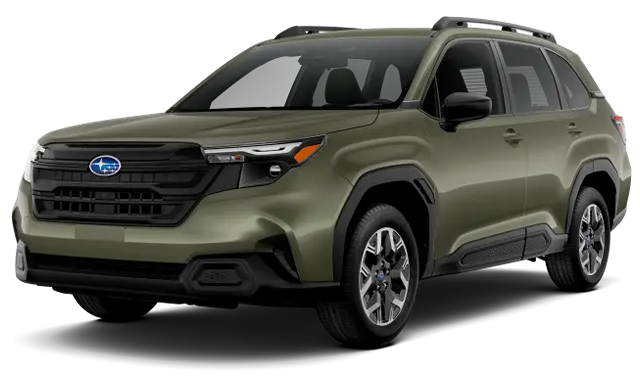
This is more rugged than the standard Forester: built for tougher terrain, more clearance, all-terrain tires, better angles for deep snow and back roads. If your winter driving involves country roads, unploughed paths, or cottage runs, this is the kind of machine that gives extra peace of mind.
Jeep Wrangler
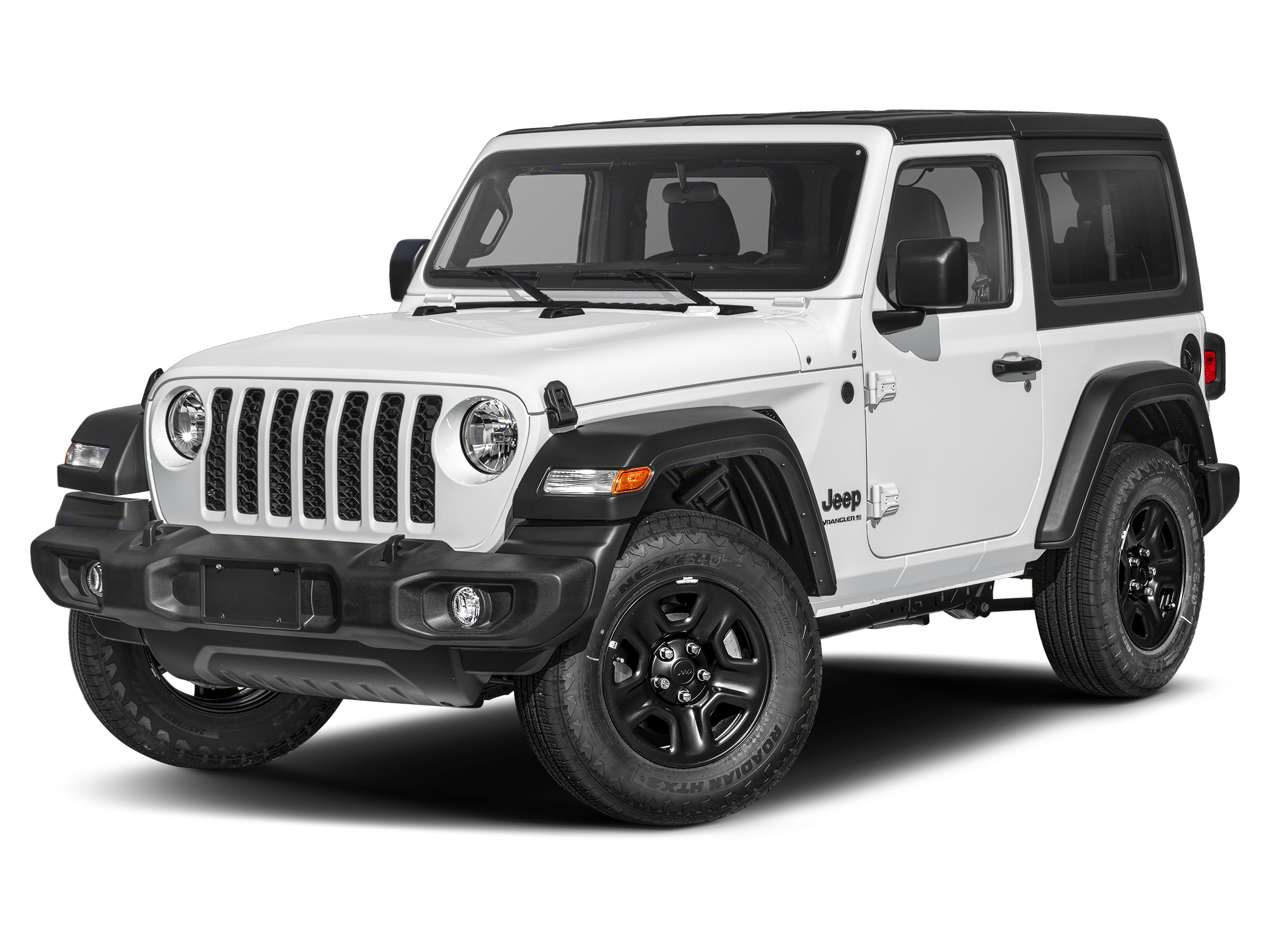
Yes, the Wrangler makes the list. It’s not for everyone, but its four-wheel drive, high ground clearance, and rugged build make it capable in heavy snow or back-road conditions. If you prefer a more “off-road” style, just know that fuel economy and size may matter for everyday city winters.
Chevrolet Blazer EV (AWD)
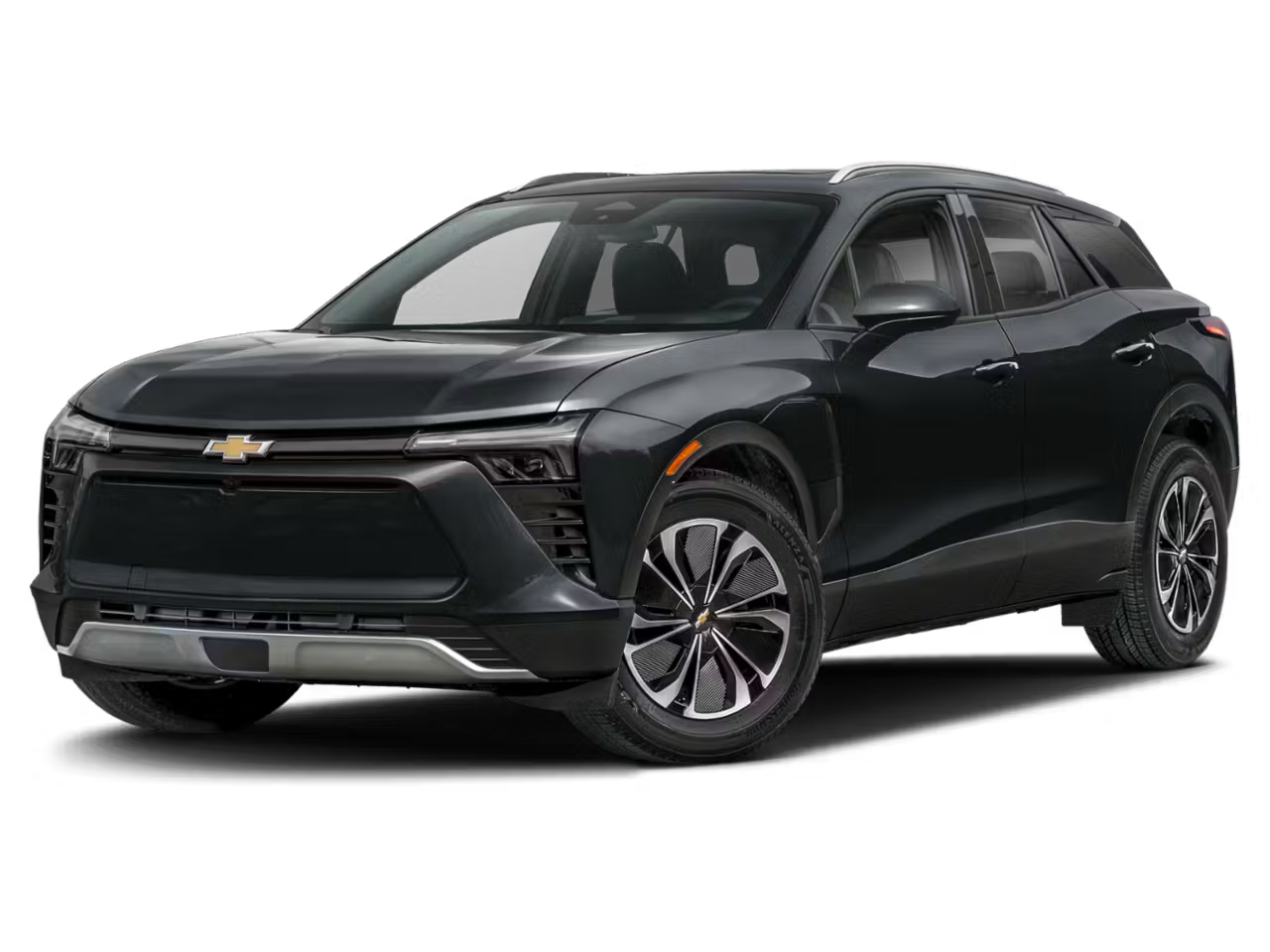
Offering an electric twist to winter driving, the Blazer EV with AWD shows how EVs are increasingly viable in Canadian winters. It offers cargo space, AWD traction, and modern tech.
While battery performance in cold needs careful attention (and winter tires still apply), it’s a forward-looking pick. For some Canadians, especially in cities with good charging infrastructure, this offers winter capability with EV benefits.
Factors to Consider When Choosing a Winter Car
When you’re shopping for a car specifically with Canadian winters in your mind, here are key factors to weigh beyond brand or model name:
- Drivetrain type: AWD/4WD is a strong plus. Front-wheel drive (FWD) may be okay in light snow but has limitations.
- Tires: Even the best car won’t perform well on summer or all-season tires in deep snow and ice. A dedicated winter tire set is one of the best investments you can make towards driving safely and smoothly.
- Ground clearance: If you live in a region with heavy snowfall or poorly ploughed roads, higher clearance helps.
- Visibility and lighting: Heated mirrors, good defrosting, and strong headlamps matter. Winter days are short, and you’ll often be navigating in low light or snow-covered windshields.
- Comfort features: Remote start, heated seats and steering wheel, quick cabin warm-up make a big difference when you’re scraping off snow and warming up the car.
- Cargo and passenger practicality: Think about what you’ll haul, like ski gear, hockey bags, winter boots, and how that cargo will fit depending on how many passengers you’ll typically have.
- Rust and salt resistance: If you drive in coastal or heavy-salt areas, how a car deals with rust and corrosion matters.
- Battery/EV considerations (if applicable): If you’re going EV or PHEV, check how well the vehicle manages cold-temperature battery performance, charging in cold, cabin heating drain, etc.
- Maintenance and winter-proofing: Are accessories like winter tires, snow chains, and effective floor mats easily available? Is service for your car’s make and model accessible in your area? Is clearance to bury large snow loads enough? All of these will make a difference in harsh Canadian winters.
Tips For Driving in The Snow
Owning a winter-capable car is one thing; driving smart is another. Here are practical tips to stay safe and keep your car and tires in good shape:
- Install winter tires before the first major snow, or when temperatures drop below 7°C.
- Keep your tires properly inflated, as cold temperatures reduce tire pressure.
- Clear snow off your entire car, from the roof to the windows and lights, before driving.
- Use gentle steering and throttle in slick conditions, as surprise inputs can cause loss of control.
- If you get stuck in snow, use low gear if possible, and avoid excessive throttle which can dig you in. Carefully try a rocking motion to shift your car into a more maneuverable position.
- You never know when you’ll have car trouble or get stuck on the road, so prepare your car for winter with an emergency kit containing a blanket, shovel, ice scraper, flashlight, extra gloves, snacks, and water.
- Be mindful of range and battery issues to prevent your battery from dying if you drive an EV, as very cold weather reduces range.
- Pay attention to black ice, shaded areas, and bridges on the road as these freeze faster.
- When descending a slope in snow or ice, use engine braking (low gear) rather than relying only on brakes, which may lock up or skid.
Our Methodology for Ranking the Best Cars for Winter Driving in Canada
To help our readers find the best options for 2026, our team evaluated dozens of cars and SUVs currently available and upcoming in the Canadian market. We considered engineering factors like drivetrain performance and chassis setup, but we also weighed comfort, safety, and practicality because a great winter car should make the cold season easier, not just survivable.
Here’s how the MyChoice team scored each category: