









An occasional driver is listed on someone else’s auto insurance policy. There isn’t a set percentage for occasional versus principal drivers across Canada. An occasional driver simply doesn’t drive the car as often as the principal driver. However, if you start using a car as your primary vehicle, let your insurer know and update your policy accordingly.
For this guide, our team checked FSRA’s auto-insurance pricing guidance and application requirements, along with ICBC’s listed-driver rules as a B.C. comparison. Rules and terminology vary by province and insurer.
Read More: See What Insurance May Apply When You Drive Someone Else’s Car
Who Counts as an Occasional Driver?
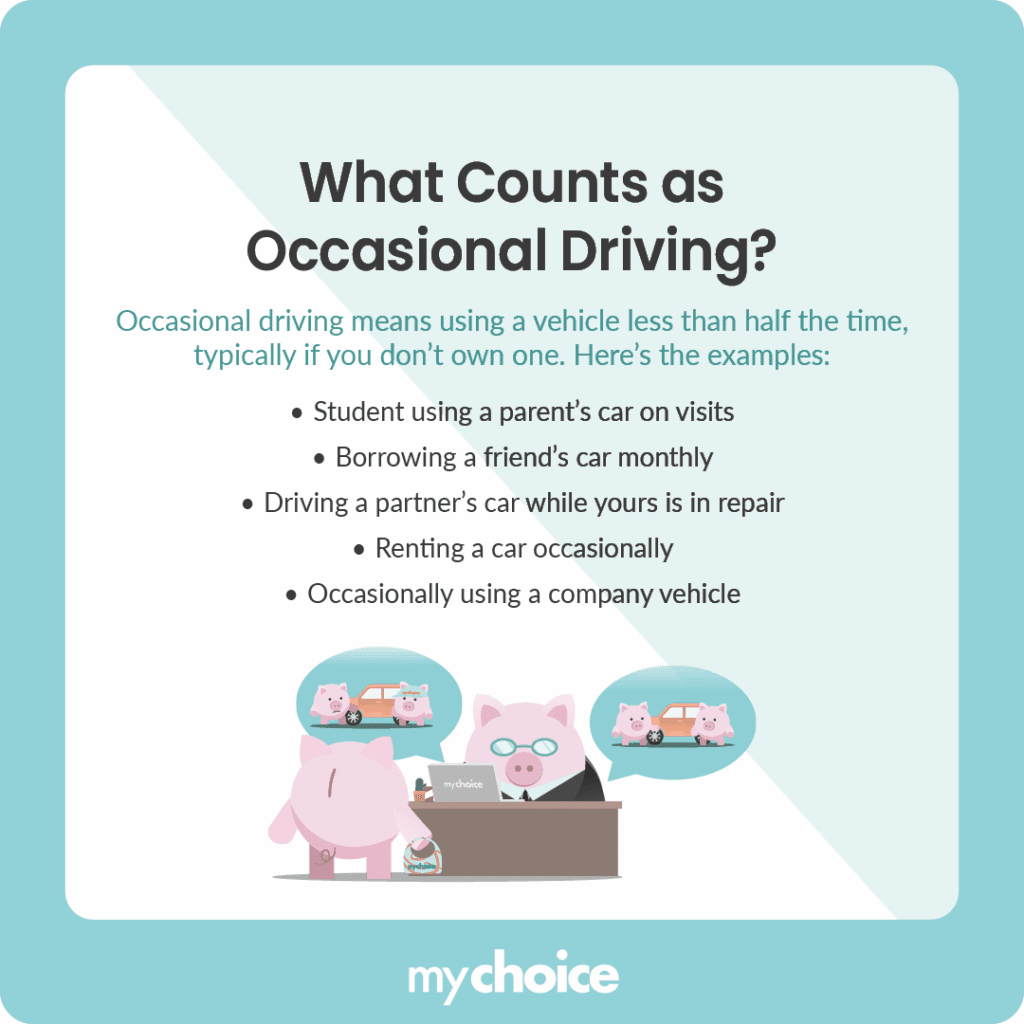
Examples include a spouse who occasionally runs an errand, a student who drives while visiting or a newly licensed child practising in your vehicle.
Report who drives the vehicle, how often they use it, the type of trips they make and how far they drive.
Who Should You Tell the Insurer About?
Tell your insurer about licensed household members and anyone else who regularly drives your car. Answer all of its questions fully. FSRA says applicants in Ontario must provide accurate information about other drivers.
In B.C., ICBC tells customers to list household members who drive the vehicle, employees who use it and regular learner drivers.
Confirm coverage before lending the vehicle to someone who will use it regularly, use it for delivery or rideshare work, or keep it at a different address.
Read More: How to Properly Lend Your Car to Friends
How Much Does an Occasional Driver Cost?
FSRA points out that adding a young person as an occasional driver on a parent or guardian’s policy can be much cheaper than insuring them as a principal driver.
There’s no set rate to insure an occasional driver. It depends on the driver’s age, driving record, convictions and claims, as well as the car, location, coverage and insurer.
Find out what the policy would cost before and after adding the driver while keeping the same vehicles, deductibles and coverage. The difference is what adding the driver will cost your household.
Also ask whether they’ll gain recognized insurance experience and whether it will appear on a future letter of experience.
What Happens If the Occasional Driver Has a Claim?
Any resulting claim will be made under the policy covering the vehicle and will be subject to that policy’s terms, coverages, deductibles and exclusions. Depending on the province and insurer, an at-fault accident could result in increased premiums.
If a person who should have been disclosed wasn’t, or a driver who should have been listed as the principal driver was listed as an occasional driver, the insurer may review the information provided on the application.
Failing to describe the drivers accurately may result in a premium change, cancellation, non-renewal or a coverage dispute. Make sure your policy is accurate before you have a claim.
When Should You Change the Driver Classification?
| Change | What to do |
|---|---|
| The driver now uses the car most | Ask the insurer to make them the principal driver. |
| A child moves away with the car | Update the garaging address, use and principal driver before the move. |
| The driver starts commuting | Report the new use and annual kilometres. |
| The driver begins delivery or rideshare work | Confirm commercial or rideshare coverage before the first trip. |
| The driver no longer uses the vehicle | Ask whether they can be removed and get written confirmation. |
| A licence is suspended or a serious conviction occurs | Tell the insurer promptly and follow its instructions. |
Questions to Ask Before Adding an Occasional Driver
Ask what the insurer considers occasional use, how much the policy will change and whether the driver will gain recognized insurance experience. Keep a copy of the updated policy or certificate.
Read More: Understand the Risk of Driving Without Insurance in Ontario